
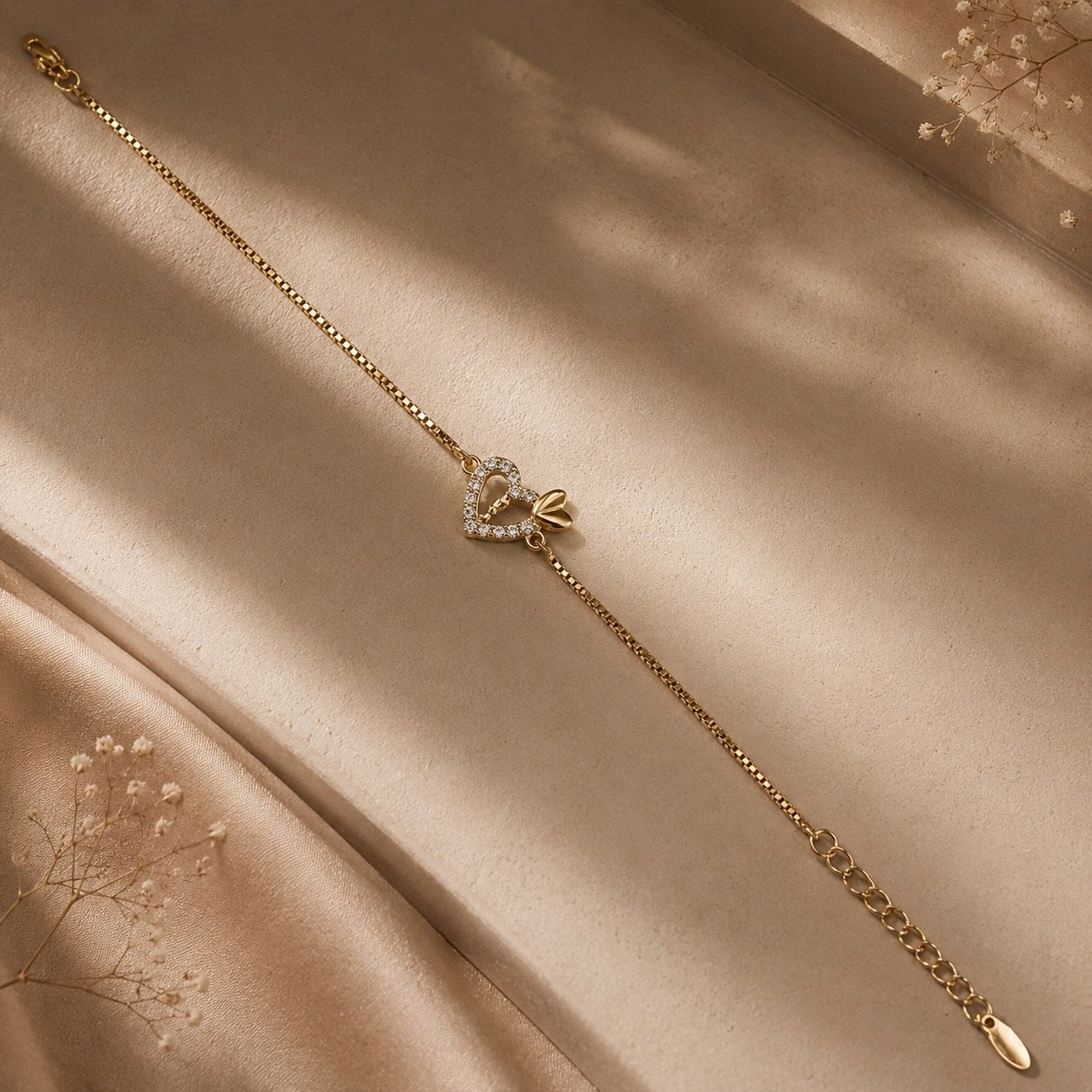
What “anti tarnish” means in fashion jewellery
The phrase anti tarnish is used across fashion jewellery to describe items designed or treated to slow the dulling and colour change that can occur when metal surfaces react with their environment. The exact construction varies. A piece may use a particular base metal, a plated surface, a protective coating, or a combination of finishes. Because these details differ by design, the best source for a specific item is its product description or the seller. Ask for the material and care guidance if it is not listed.
It is helpful to think of anti tarnish as a durability feature, not a promise that a finish will never change. Real wear includes skin contact, temperature changes, friction against clothing, storage in humid rooms, and accidental contact with household products. A little care can reduce unnecessary exposure and help preserve the look you chose.
A simple after-wear routine
After taking off a piece, pause for a few seconds to wipe it with a clean, soft, dry cloth. This removes some surface oils, dust and residue before the jewellery goes back into storage. Use a gentle touch, especially around small settings, links and delicate details. Avoid abrasive cloths, rough paper towels and household cleaning products; they may scratch or strip a surface finish.
Let jewellery dry completely before putting it away. If it was worn during a warm day or a commute, give it a moment in a dry place before closing the pouch. This ordinary habit is more useful than an elaborate cleaning ritual, and it does not require special tools. Do not soak fashion jewellery unless the product maker specifically says the item is safe for that method.
Keep jewellery away from water and products
Remove fashion jewellery before showering, swimming, exercising, washing dishes or applying perfume, lotion, sunscreen and hair products. Water itself may not immediately damage every piece, but repeated exposure can accelerate changes in some finishes and can leave mineral deposits. Chlorinated or salt water adds further variables. Sweat contains salts and moisture, so wiping a piece after a workout is a sensible step.
A useful order for getting ready is: apply skincare and fragrance, allow them to dry, then put on jewellery. Reverse the order when undressing. This reduces direct contact with sprays and creams. If a piece gets wet accidentally, gently blot it dry and let it air dry fully before storage. Avoid heat sources such as hair dryers because heat can affect adhesives or components.
Store pieces separately
Storage helps prevent scratches and tangles. Place each piece in its own soft pouch, compartment or small dry box. Keep chains fastened if practical, then lay them flat so they do not knot around other items. Separate earrings and rings to prevent harder edges from rubbing on smoother surfaces. A small jewellery tray can be convenient for daily rotation, while a closed container is better for longer storage.
Bathrooms are often humid, so choose a dry drawer or wardrobe shelf instead. Keep jewellery away from windowsills where direct sun and heat may affect some materials. If you travel, use a compact organiser with individual pockets. Do not toss jewellery loose into a handbag; friction with keys and other objects can scratch surfaces or bend delicate elements.
Cleaning without damaging the finish
For routine care, use a soft dry cloth. If a product comes with cleaning instructions, follow those instructions first. Avoid silver dip, polishing compounds, toothpaste, baking soda, alcohol, vinegar and general-purpose cleaners unless the manufacturer confirms they are appropriate for the exact material. These methods are sometimes recommended for solid precious metals, but a plated or coated fashion piece may respond differently.
If dirt is caught in a detail, use a clean, dry, very soft brush only when you are confident it will not scratch or pull at a setting. Do not scrub. Stop if the piece has loose stones, glued components, fabric or delicate plating. When in doubt, ask the seller for specific guidance. A seller who knows the construction should be able to tell you what is safe for that item.
Habits that shorten a piece’s life
The most common avoidable stressors are repeated moisture, direct contact with cosmetics and cleaners, rough storage, and wearing jewellery during activities where it may be knocked or stretched. Pulling a chain to untangle it can strain links and clasps. Spraying perfume over earrings or a necklace can leave residue on a finish. Leaving jewellery in a damp pouch can trap moisture against the surface.
Consider the activity before putting on a piece. For cooking, cleaning, gym sessions, gardening and swimming, set jewellery aside in a safe place. If a clasp feels loose or a component moves unexpectedly, stop wearing the item and ask about repair or replacement options rather than continuing to tug at it.
Build an easy care kit
A useful care kit can be simple: one soft polishing cloth, a few small fabric pouches, and a dry tray or organiser. Add a note card with any care instructions supplied with your jewellery. Avoid storing cleaning chemicals next to jewellery. If you own pieces with different materials, keep their instructions separate rather than assuming one cleaning method fits all.
A weekly reset can also help: return pieces to their pouches, check clasps, and untangle chains gently on a flat surface. This makes it easier to notice wear early. Care is not about keeping jewellery untouched; it is about making thoughtful choices that let you enjoy it often.
Questions to ask before buying
Before choosing a fashion jewellery piece, ask what the main material is, how the surface is finished, whether any stones or parts are glued, and what care instructions apply. Ask whether dimensions are adjustable and whether the item is intended for frequent wear or occasional use. These practical questions are more useful than broad labels alone.
At House of Aazhi, product details and availability can vary by design. Contact us through the contact page to ask about a specific piece, and explore bracelets, earrings and our other collections.
What to do when a finish changes
If you notice a change in colour or shine, stop and check the item rather than reaching for a strong cleaner. Look for the product information and any care instructions from the seller. A soft dry cloth may remove surface residue, but a change in plating or coating cannot necessarily be corrected by polishing. Avoid trying several internet cleaning tricks in succession; each treatment adds risk and may make it harder to understand what happened.
Take a clear photo in natural light and contact the seller with the purchase details, when you first noticed the change, and what the piece has been exposed to. Ask whether the finish is expected to change and whether any service or replacement option applies. Honest product support begins with the exact construction and the seller’s policy, not a generic promise.
A realistic view of wear
Jewellery is part of everyday life, so it will encounter movement and contact. Small surface marks may appear with use, particularly on pieces worn frequently. The aim of care is to reduce avoidable stress, not to guarantee a piece remains identical forever. How long a finish lasts depends on factors such as its construction, how often it is worn, skin chemistry, climate, storage and product exposure.
This is why precise material information is important. If a listing says anti tarnish but does not explain what that means for its particular design, ask before purchase. A useful answer should describe the item and the care expected in plain terms. Treat broad marketing language as a prompt to learn more, not as a substitute for product-specific guidance.
A thoughtful next step
Good jewellery advice is specific enough to be useful and modest enough to stay accurate. Check the dimensions and materials of the design you are considering, think through when and how it will be worn, and ask questions wherever a detail is not clear. This small pause can prevent an uncomfortable fit, a mismatched gift, or a care routine that is not right for the item.
House of Aazhi shares broad styling and care guidance here, but the exact construction and availability of a piece should always be confirmed with the product listing or our team. Browse the relevant collection and contact us with the style name or a screenshot if you need help.
Frequently asked questions
Does anti tarnish jewellery ever tarnish?
Anti tarnish is intended to resist visible discolouration, but wear, moisture, cosmetics and storage can still affect a finish over time.
Can I shower with anti tarnish fashion jewellery?
It is best to remove fashion jewellery before showering, swimming or exercising unless the maker explicitly confirms water exposure is safe.
What is the safest way to clean fashion jewellery?
Use a soft dry cloth for routine care and follow the product maker’s instructions. Avoid chemical cleaners unless they are confirmed safe for that item.
Where should I store anti tarnish jewellery?
Store pieces separately in a dry pouch or closed organiser, away from humidity, direct sun and household chemicals.
Explore House of Aazhi collections, learn about our Chennai brand, or contact us with a specific product question.